
initiation.rites PHILOSOPHY OVERVIEW
Introduction
Throughout human history, cultures across the world have developed initiatory rites of passage processes, ceremonial practices, and transformational thresholds intended to guide individuals through periods of profound transition, expansion, challenge, and evolution. Although these traditions differed greatly across civilizations, many shared common themes: purification, confrontation with limitation, endurance, symbolic death and rebirth, expanded awareness, spiritual exploration, transition into greater responsibility, capability, wisdom, or alignment
In many traditional cultures, initiation was viewed as a natural and meaningful part of human development—a process through which individuals intentionally stepped beyond previous limitations, confronted uncertainty, deepened their relationship with themselves and life, and expanded their capacity to navigate existence more consciously. Modern society often lacks meaningful frameworks for intentional transformation and threshold crossing. As a result, many individuals move through major life transitions without guidance, structure, preparation, or ceremonial recognition.
Initiation.Rites was created as a modern initiatory framework inspired by rites of passage traditions, ceremonial transformation processes, threshold experiences, and initiatory philosophies found throughout human history. The intention is not to recreate ancient traditions exactly, nor to imitate any single lineage or culture. Rather, this work is informed by the understanding that throughout history, human beings have repeatedly recognized the transformative value of intentional challenge, expanded awareness, purification, self-confrontation, symbolic transition, spiritual exploration, and embodied integration.
At its core, Initiation.Rites is rooted in the philosophy that transformation is not merely about temporary experiences or intellectual insight. It is about expanding one’s capacity to live more consciously, more courageously, more intentionally, and more deeply aligned with life itself.
What Are Initiatory Rites of Passage Processes?
Initiatory rites of passage are intentional processes of transformation through which an individual moves beyond a previous way of being and enters into a new relationship with themselves, life, responsibility, awareness, or existence itself. Throughout history, these processes have appeared in many forms—spiritual, ceremonial, communal, psychological, physical, symbolic, and developmental. Although the practices varied greatly across cultures, they often shared a common purpose: to guide individuals through meaningful transition in a conscious, intentional, and transformative way.
Historically, initiatory rites of passage accompanied major thresholds in human life, including transition into adulthood, assumption of new responsibilities, entry into leadership or warriorhood, spiritual development, healing journeys, periods of loss or transformation, confrontation with mortality, and movement into new stages of identity and selfhood. In many traditional cultures, these processes were not merely symbolic. They were experiential. Transformation was understood to arise through direct encounter with challenge, self-confrontation, endurance, ceremony, altered states, disciplined practice, purification, reflection, isolation, and passage through the unknown.
Although initiatory traditions differed greatly across civilizations, many shared a common understanding: Transformation often requires more than intellectual knowledge alone. It requires experience. Direct encounter. Participation. Threshold crossing. In this sense, initiatory rites of passage are not simply about acquiring information or having temporary experiences. They are about becoming. About expanding one’s capacity to navigate life consciously, courageously, responsibly, and with greater depth of awareness.
Historically, these processes were often viewed as a natural and meaningful part of human development and conscious evolution. Warriors, healers, mystics, leaders, seekers, monks, elders, children, teens, adults, and initiates across cultures frequently underwent transformational processes intended to strengthen resilience, deepen wisdom, cultivate self-trust, expand awareness, and prepare individuals for new stages of responsibility and life. At their core, initiatory rites of passage represent intentional threshold crossing—a conscious willingness to move beyond a previous way of being and enter into transformation through direct participation rather than passive observation alone.
Although modern society still contains many forms of transition, it often lacks meaningful frameworks that intentionally guide individuals through profound psychological, emotional, spiritual, and existential transformation. As a result, many transitions in modern life occur without ceremony, preparation, guidance, integration, or conscious recognition.
Initiation.Rites is informed by the understanding that intentional rites of passage can still serve an important role in modern life by creating structured spaces for transformation, expanded awareness, conscious evolution, self-confrontation, spiritual exploration, and embodied transition.
HUMAN HISTORY OF INITIATION & Rites of passage
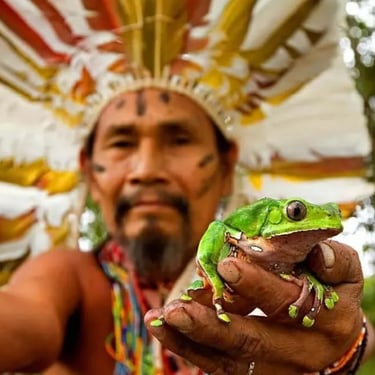
Kambo rites of passage
Among the Matsés, Katukina, and other Indigenous Amazonian tribes associated with Kambo practices, Kambo was traditionally utilized within broader systems of purification, strengthening, endurance, hunting preparation, and ceremonial development. Within some traditions, Kambo formed part of initiatory processes through which younger members of the tribe were prepared for greater responsibility, self-reliance, resilience, and participation within the community.
The experience itself was often physically demanding, requiring individuals to willingly confront discomfort, challenge, and limitation while undergoing purification and strengthening practices. Through these processes, participants were invited to cultivate discipline, endurance, heightened awareness, and the capacity to meet adversity with greater courage and composure. In this sense, Kambo functioned not merely as a practical tool, but as part of a broader initiatory framework intended to support personal development, transformation, and preparation for new stages of life and responsibility.
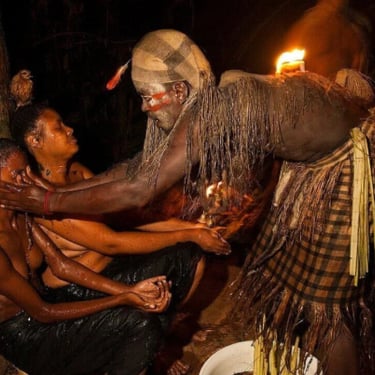
Iboga Initiation
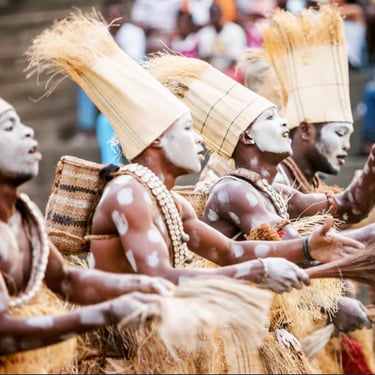
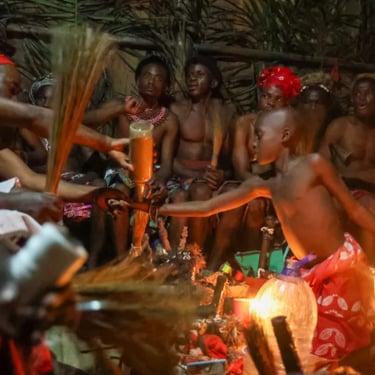
Within the Bwiti spiritual traditions of Gabon and West Central Africa, iboga initiation ceremonies became powerful rites of passage centered around expanded awareness, confrontation with self, ancestral connection, symbolic death and rebirth, and transition into deeper understanding and responsibility. These initiatory ceremonies were not casual experiences, but structured ceremonial processes held within a larger spiritual and communal framework.
Traditional iboga initiations often unfolded over several days and nights, sometimes involving extended ceremonies, large quantities of iboga root bark, ritual practices, music, communal support, and prolonged periods of introspection. Participants frequently remained awake for extended periods while moving through intense physical, emotional, psychological, and spiritual experiences. Within Bwiti traditions, the process was often viewed as a direct encounter with oneself, one's ancestors, and the deeper dimensions of existence, making it one of the most demanding and transformative initiatory practices in the world.
satere'-mawe' Bullet Ant ritual
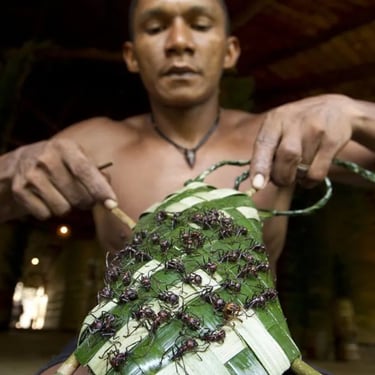
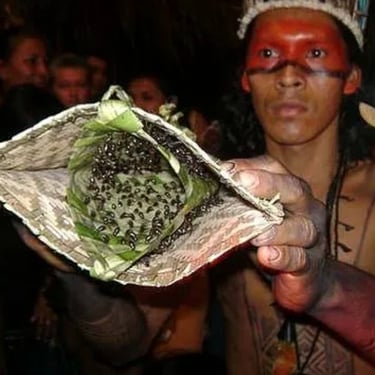
Among the Sateré-Mawé people of the Brazilian Amazon, young initiates underwent one of the most intense rites of passage known in the modern world: the bullet ant initiation. Young men placed their hands into woven gloves filled with bullet ants—whose stings are considered among the most painful in the insect world.
The stings often produced extreme pain, shaking, swelling, temporary weakness, loss of coordination, and paralysis-like symptoms that could last for hours after the ceremony. Rather than occurring only once, initiates traditionally repeated the process many times—often upward of twenty or more ceremonies over extended periods of time—as part of a prolonged transition into resilience, courage, endurance, discipline, and warriorhood.
indigenous Vision Quests
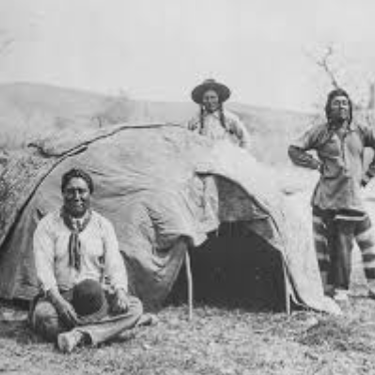
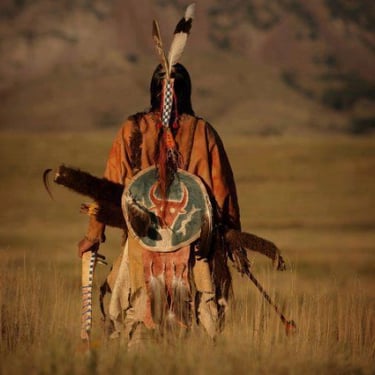
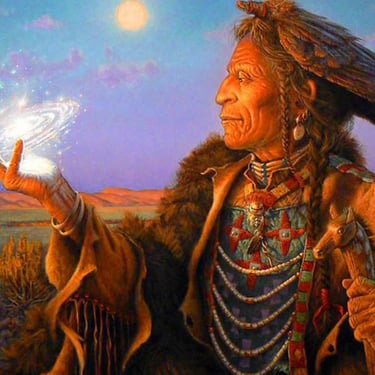
Across various Indigenous traditions of North America, vision quests involved periods of fasting, solitude, prayer, silence, and wilderness isolation intended to facilitate spiritual insight, self-discovery, clarity, guidance, and transition into new stages of life or responsibility.
Depending upon the tradition, vision quests could last several days and often involved preparing through sweat lodge for physical and spiritual purification then remaining alone in remote natural environments with little or no food while maintaining prayer, contemplation, and vigilance. Participants were asked to meet uncertainty, discomfort, fear, solitude, and the elements directly, without distraction or external support. The experience was often understood as an opportunity to receive guidance, insight, purpose, or deeper understanding through direct relationship with nature, spirit, and oneself.
indigenous Sun Dance Rituals
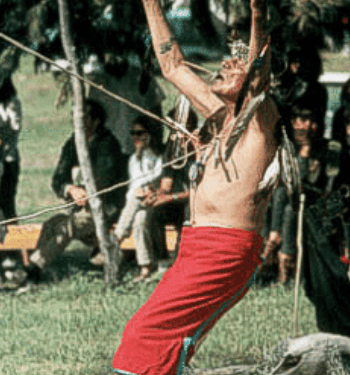
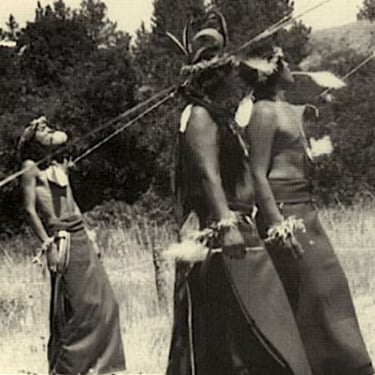
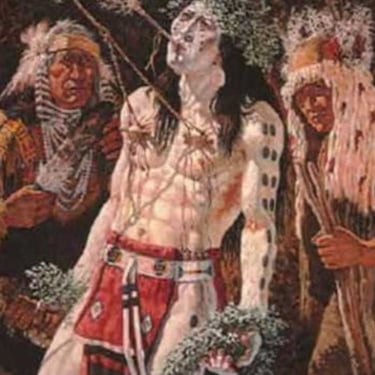
Among certain Plains Indigenous traditions, Sun Dance ceremonies involved endurance, fasting, prayer, piercing rituals, sacrifice, and communal participation as part of sacred ceremonial processes intended to cultivate spiritual strength, devotion, renewal, courage, sacrifice, and transformation.
In some traditions, participants willingly underwent physically demanding acts of sacrifice and endurance, including ceremonial piercing rituals connected to a central sacred tree. These practices were not undertaken as punishment or spectacle, but as profound expressions of prayer, devotion, reciprocity, commitment, and willingness to place the needs of the community above personal comfort. Through endurance, sacrifice, and direct encounter with suffering, participants sought spiritual renewal, deeper connection, expanded understanding, and transformation.
Ancient Sparta Warrior Rites of Passage
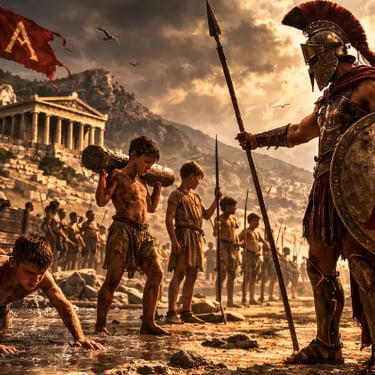
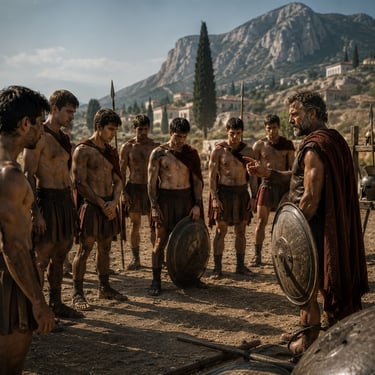
Among the most demanding warrior initiation systems of the ancient world was the Agoge of Sparta. Beginning around the age of seven, Spartan boys were removed from their families and entered a highly structured system of training intended to cultivate discipline, endurance, courage, resilience, self-reliance, and unwavering commitment to the city-state.
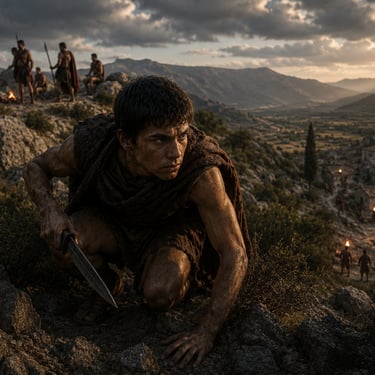
As initiates matured, they faced increasingly difficult tests and ordeals. Among the most demanding was the Krypteia, during which selected youths were sent into the wilderness with minimal resources and expected to survive through their own skill, awareness, and adaptability. These challenges were intended to transform boys into warriors capable of placing duty, sacrifice, and responsibility above personal comfort in service of something greater than themselves.
Germanic & Norse Warrior Initiations
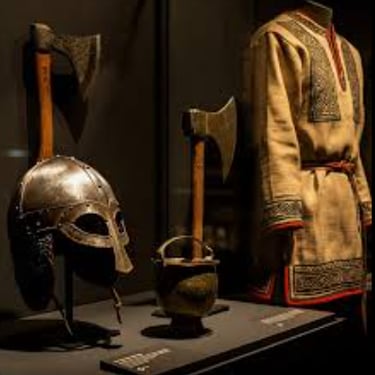
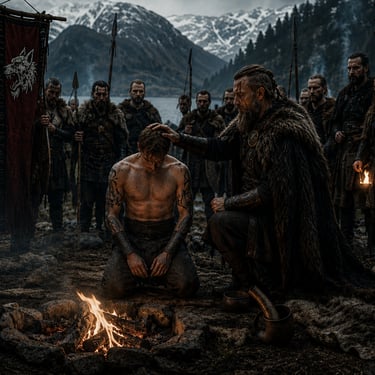
Among various Germanic and Norse cultures, young men often underwent periods of martial training, wilderness exposure, hunting, raiding, and testing before being recognized as full warriors. These processes were intended to cultivate courage, endurance, self-reliance, discipline, loyalty, and the ability to endure hardship while serving the needs of the tribe, clan, or community.
Many scholars believe certain warrior societies—including the Berserkers and Úlfhéðnar—incorporated initiatory elements involving symbolic transformation, endurance, altered states, animal symbolism, and movement from youth into warrior identity. Associated with the bear and the wolf respectively, these warrior traditions appear to have emphasized the cultivation of fearlessness, heightened awareness, resilience, and complete commitment to the warrior path. While much remains uncertain and debated by historians, these traditions continue to represent some of the most fascinating examples of warrior initiation and identity transformation within the ancient European world.
Ethiopian cow jumping
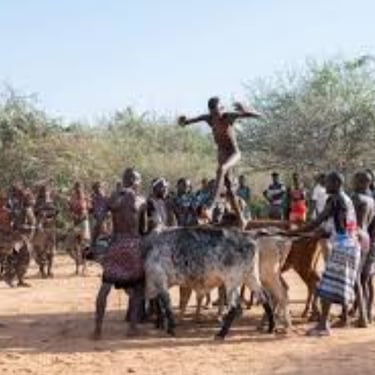
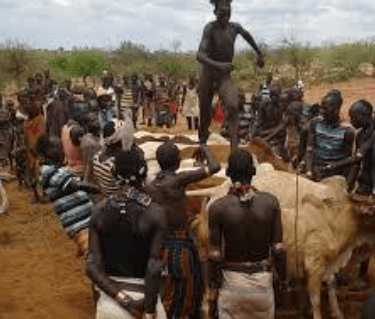
Among the Hamar people of Ethiopia, one of the most important rites of passage into adulthood is the ceremony known as bull jumping. The ritual marks a young man's transition into maturity and his readiness to assume greater responsibility within the community, including the ability to marry and participate more fully in adult social life.
As part of the ceremony, the initiate must successfully run across the backs of a line of castrated bulls multiple times without falling. The challenge requires balance, composure, courage, and the ability to remain calm under intense pressure, often while being observed by family, elders, and the wider community. Successful completion of the ritual signifies the individual's readiness to leave childhood behind and enter a new stage of life, responsibility, and social recognition.
Buddhist Monastic Ordination
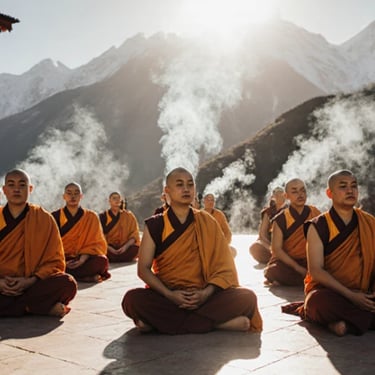
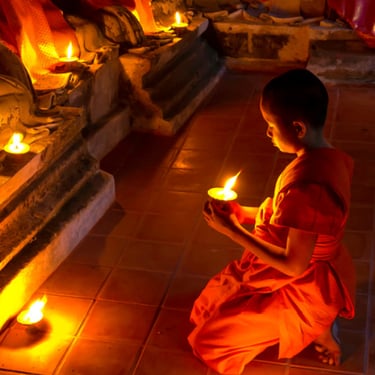
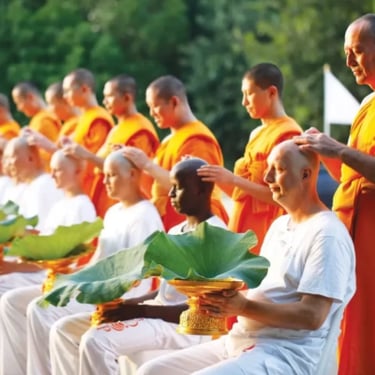
Throughout much of Asia, Buddhist monastic ordination has long functioned as a profound initiatory process through which individuals voluntarily leave behind a previous way of life and enter a path of spiritual discipline, self-examination, and conscious development. Upon ordination, initiates traditionally shave their heads, adopt monastic vows, renounce many worldly attachments, and enter a structured environment dedicated to meditation, ethical conduct, study, service, and spiritual cultivation.
For many practitioners, ordination represents far more than a change in lifestyle. It marks a symbolic transition into a new relationship with oneself, consciousness, and existence itself. Through years of disciplined practice, contemplation, self-observation, and inner development, monastics engage in an ongoing initiatory process intended to cultivate wisdom, compassion, awareness, inner stability, and liberation from habitual patterns of suffering.
Shugendō Mountain Asceticism
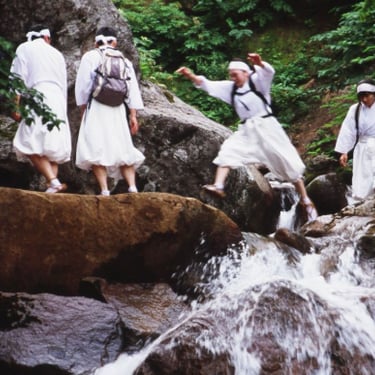
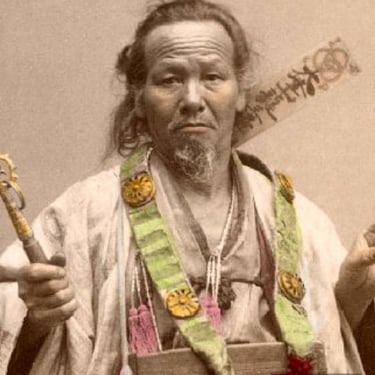
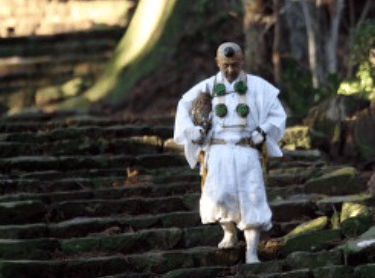
Among the most demanding spiritual initiatory traditions of Japan is Shugendō, a path of mountain asceticism practiced by spiritual practitioners known as Yamabushi. Rooted in a blend of Buddhist, Shinto, and indigenous Japanese influences, Shugendō utilizes wilderness immersion, pilgrimage, fasting, meditation, ritual purification, exposure to the elements, and prolonged periods of physical and spiritual challenge as pathways for transformation.
Practitioners often undertake arduous journeys through remote mountains, confronting exhaustion, uncertainty, isolation, discomfort, and the forces of nature directly. Within the tradition, the mountains themselves are viewed as sacred spaces of transformation where individuals undergo symbolic processes of death and rebirth, emerging with greater clarity, resilience, spiritual insight, humility, and connection to the deeper dimensions of life.
Hindu Initiatory Traditions
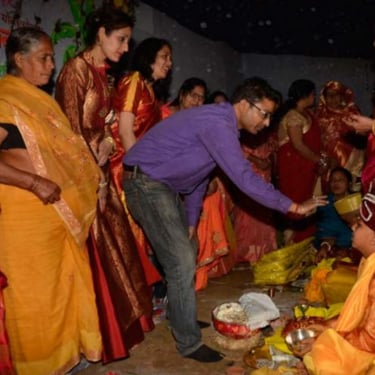
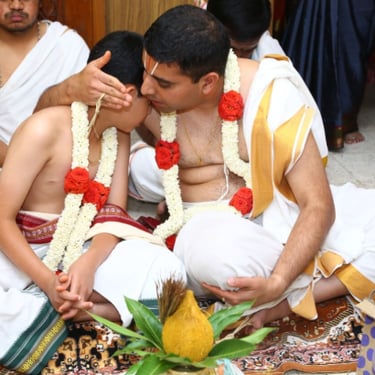
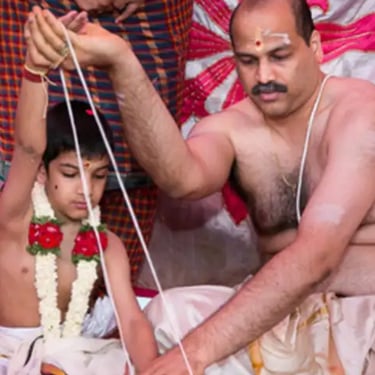
Within Hindu traditions, initiation has long played an important role in spiritual education, personal development, and conscious evolution. One of the oldest examples is Upanayana, often referred to as the sacred thread ceremony, which traditionally marked a young person's transition into a new stage of learning, responsibility, discipline, and spiritual study under the guidance of a teacher.
Beyond formal rites of passage, many Hindu yogic lineages developed initiatory systems through which students entered into committed relationships with gurus, spiritual teachings, and transformative practices. These initiations often marked the beginning of years—or even decades—of disciplined meditation, self-inquiry, breathwork, devotion, study, ethical development, and spiritual practice. In this sense, initiation was not viewed as a single event, but as the conscious beginning of a transformational journey intended to cultivate self-mastery, expanded awareness, wisdom, and ultimately deeper realization of one's true nature.




The Eleusinian Mysteries of ancient greece
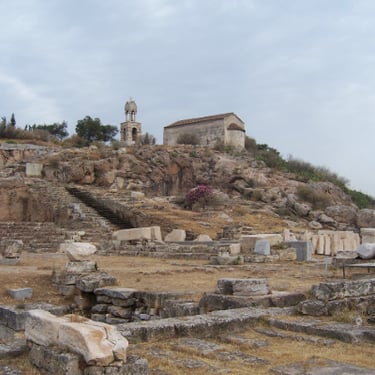
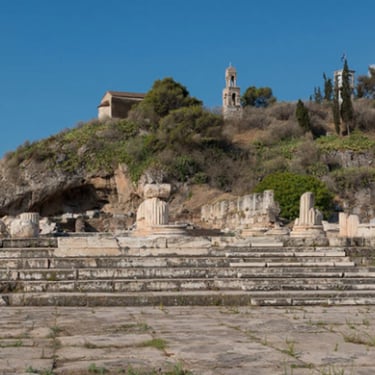
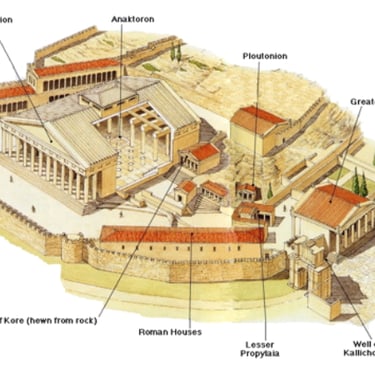
Among the most influential and mysterious initiatory traditions in all of recorded history were the Eleusinian Mysteries of ancient Greece. Believed to have begun as early as 1500 BCE or earlier, the Mysteries predated Christianity by roughly 1,500 years and continued for nearly two thousand years before eventually being suppressed in the late 4th century CE during the rise of Christianity within the Roman Empire.
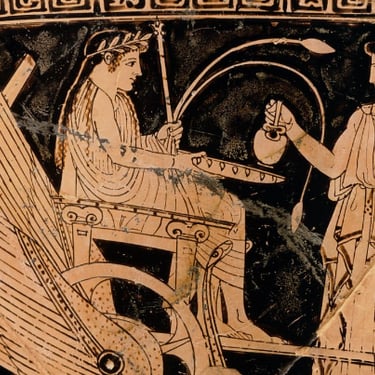
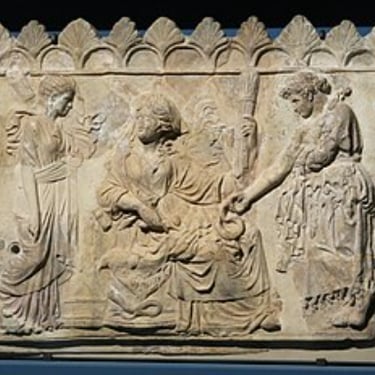
Held annually near the city of Eleusis in honor of Demeter and Persephone, the Eleusinian Mysteries centered around themes of death, rebirth, transformation, revelation, the afterlife, and the deeper nature of existence itself.
Unlike many exclusive priesthoods, aristocratic institutions, and religious systems of the ancient world, the Eleusinian Mysteries were remarkably inclusive for their time. Participation was generally open to men and women, slaves and free citizens, commoners and aristocrats, merchants, soldiers, poets, writers, philosophers, political leaders, and even Roman emperors, provided participants completed the required preparatory rites and had not committed certain serious crimes.
This broad accessibility helped establish the Mysteries as one of the most influential and enduring initiatory traditions of the ancient world. For nearly two thousand years, individuals from vastly different backgrounds traveled to Eleusis seeking initiation. Farmers and laborers stood alongside philosophers and statesmen. Citizens stood alongside slaves. Poets stood alongside political leaders. What united them was not social status, wealth, or position, but a shared desire to participate in one of the most revered transformational and spiritual traditions in history.
Initiates often traveled in pilgrimage from Athens to Eleusis as part of the ceremonial process. The initiation itself included fasting, ritual purification, sacred ceremonies, and the consumption of a ceremonial drink known as kykeon.
Although the exact contents of kykeon cannot be entirely verified, many historians, researchers, and classicists have theorized that it likely contained ergot-derived compounds - the same fungus from which LSD would later be synthesized from. Many scholars believe altered states of consciousness likely played a central role within the initiatory experience.
What makes the Eleusinian Mysteries especially remarkable is not only their secrecy and longevity, but the extraordinary influence and prestige they held throughout the ancient world. They were widely regarded as among the highest spiritual and philosophical experiences available within ancient Greek and Roman civilization.
Despite attracting hundreds of thousands and possibly even millions of initiates over nearly two thousand years, remarkably little is known about the central experiences and teachings revealed within the Mysteries themselves. Participants were bound by a sacred oath of secrecy, and revealing what occurred during the initiation was considered a serious offense that could result in severe punishment, including death. The secrecy surrounding the Mysteries was maintained with such devotion that, despite the participation of philosophers, poets, political leaders, and emperors, no detailed firsthand accounts of the inner rites exist to this day that we know of. As a result, many aspects of the initiation remain among the greatest mysteries of the ancient world.
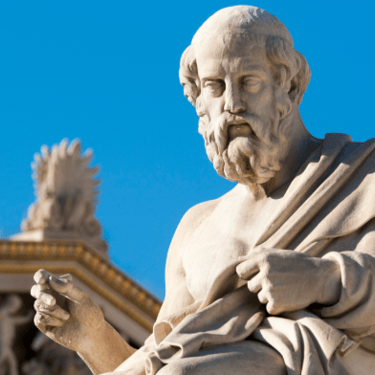
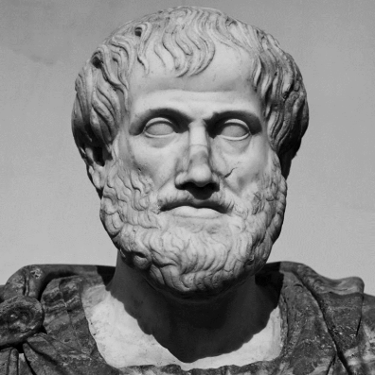
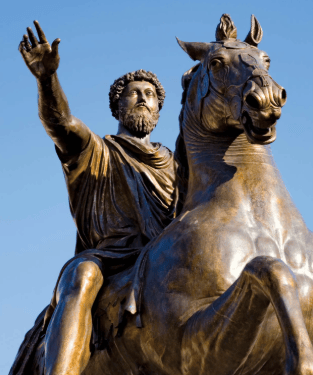
Many of the ancient world’s most influential thinkers, philosophers, political leaders, writers, and emperors are believed to have participated in the Mysteries, including Plato, Aristotle, Cicero, Marcus Aurelius, Commodus, Sophocles, Plutarch, and possibly even Alexander the Great among many more.
Cicero:
“Among the many excellent and indeed divine institutions which your Athens has brought forth and contributed to human life, none, in my opinion, is better than those Mysteries. For by means of them we have been brought out of our barbarous and savage mode of life and educated and refined to a state of civilization; and as the rites are called ‘initiations,’ so in very truth we have learned from them the beginnings of life, and have gained the power not only to live happily, but also to die with a better hope.”
Plato:
“Our mysteries had a very real meaning: he that has been purified and initiated shall dwell with the gods.”
Sophocles:
“Thrice blessed are those among mortals who, having seen these rites, depart for Hades; for to them alone is granted true life there.”
Pindar:
“Blessed is he who has seen these things before going beneath the earth; for he knows the end of life and he knows its god-given beginning.”
Aristotle:
“The initiates are not supposed to learn something, but to experience emotions and be placed in a certain state of mind.”
Plutarch:
“At first there are wanderings and wearisome running about and journeys through the dark byways that lead nowhere. Then, before the end, all the terrors appear… trembling, sweat, astonishment. But then a marvelous light meets the initiate… and perfect meadows and dances and sacred sounds and holy apparitions.”
Epictetus:
“Whatever is met with among common things that is capable of contributing to life, and that came into being not without divine purpose, is not to be rejected… such are the Mysteries.”
Synesius of Cyrene:
“The Mysteries are the common meeting ground of the whole world.”
Aelius Aristides:
“Eleusis is the shrine common to the whole earth, and of all the divine things that exist among men, it is both the most awesome and the most luminous.”
Isocrates:
“Demeter gave to those who partake in the Mysteries sweet hopes concerning the end of life and all eternity.”
For nearly two millennia, countless individuals traveled to Eleusis seeking initiation into one of history’s most revered and secretive transformational traditions. Although much about the Mysteries remains unknown, they continue to stand as one of the clearest examples of humanity’s enduring relationship with initiation, altered states, sacred ceremony, symbolic death and rebirth, and the pursuit of deeper understanding through direct experience.

Initiation in the Modern World
Modern life is filled with experiences that can profoundly challenge, destabilize, or alter an individual's relationship with themselves and life. Trauma, loss, addiction, psychological collapse, confrontation with mortality, heartbreak, uncertainty, injury, abuse, and existential crisis can all function as powerful threshold experiences.
Through the lens of initiatory work, these experiences can be understood as carrying the potential for transformation, expanded awareness, psychological reorganization, spiritual growth, and deeper understanding of self and existence. Yet many individuals move through such experiences without receiving the support, guidance, structure, or integration necessary for them to become meaningful sources of growth.
As a result, experiences that might otherwise contribute to wisdom, resilience, and expanded awareness may instead lead to fragmentation, nervous system dysregulation, confusion, maladaptive coping patterns, compulsive behaviours, emotional instability, self-destructive tendencies, or loss of meaning and direction. In this sense, some experiences may contain the potential for initiation, yet remain psychologically, emotionally, spiritually, or existentially incomplete when left unintegrated.
What transforms a threshold experience into complete initiation is not merely the intensity of the experience itself, but the degree to which it becomes consciously processed, integrated, embodied, and meaningfully integrated into one's life, identity, relationships, behaviours and understanding of self and existence. When profound experiences are intentionally metabolized, they can become catalysts for greater awareness, resilience, self-understanding, self-trust, alignment, spiritual growth, and conscious evolution.
For some individuals, initiatory work may serve as part of the completion and integration of unresolved threshold experiences from earlier periods of life. Through intentional preparation, ceremonial process, self-confrontation, emotional processing, expanded states of awareness, nervous system regulation, somatic release and integration practices, individuals may develop the capacity to consciously engage with material that was previously overwhelming, fragmented, suppressed, or left unresolved.
Over time, experiences that once existed primarily as sources of confusion, fragmentation, or disorientation may begin transforming into integrated sources of meaning, resilience, wisdom, self-understanding, and growth.
For others, initiatory work may function not as completion, but as conscious expansion. It may involve deepening awareness, strengthening resilience, cultivating self-mastery, confronting limitation, expanding capacity, exploring consciousness, or entering new stages of life and responsibility.
Initiation.Rites recognizes that human beings may enter initiatory work from many different starting points. Some may seek healing. Some may seek transformation. Some may seek clarity. Some may seek expansion. Some may seek completion. Others may simply feel called toward deeper participation in their own conscious evolution.
At its core, this work is not about pathology. It is about conscious engagement with transformation, expanded awareness, integration, embodiment, threshold crossing, and the ongoing evolution of human potential.